Croft in Spring

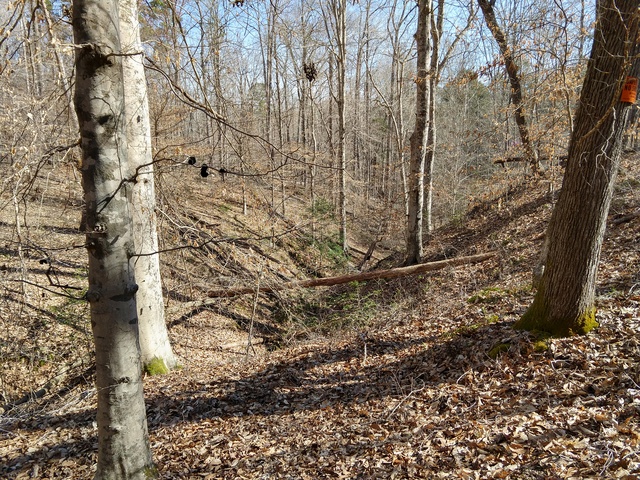
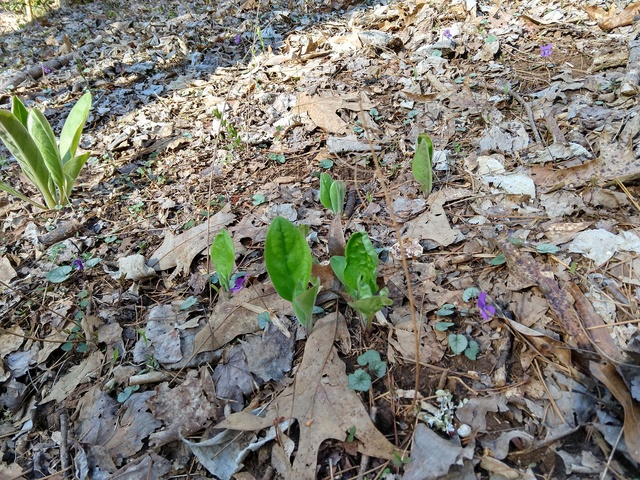
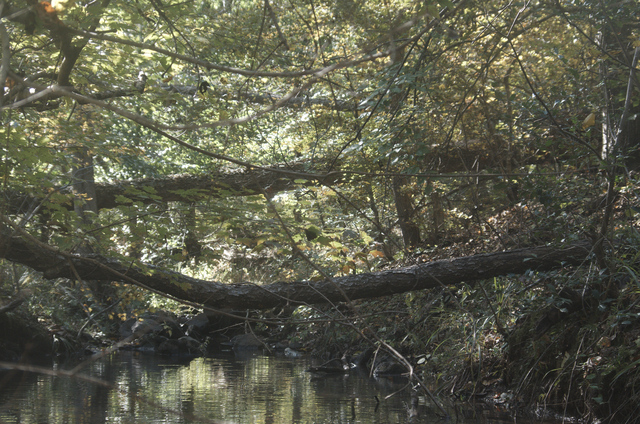
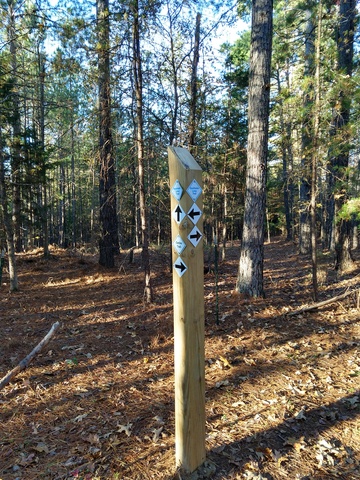
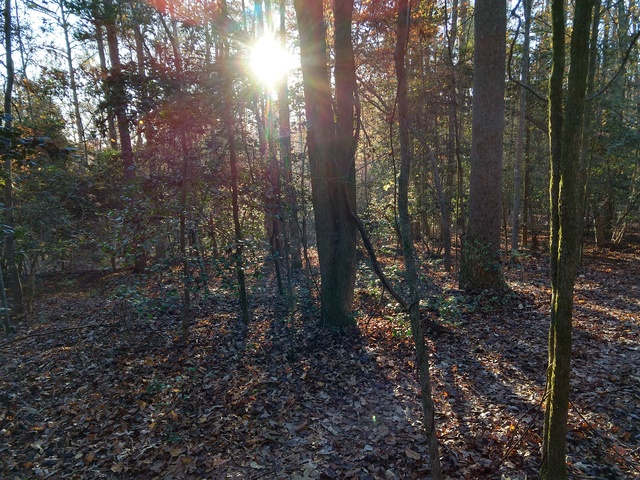
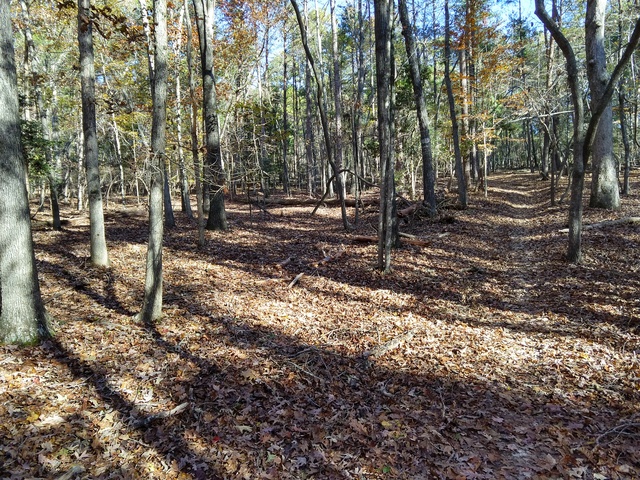
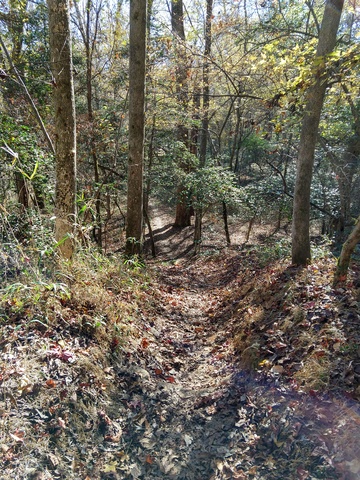
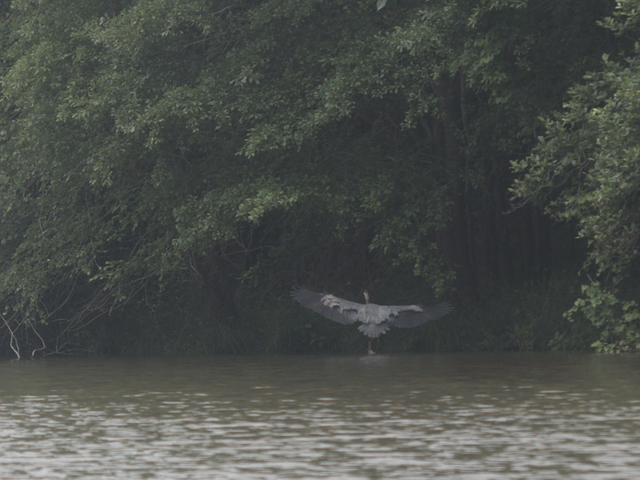
I got an opportunity to make another visit to Croft State Park and take a little spring walk in the woods. It might still look a good bit like winter:

and it even felt a bit like winter starting out, but a little closer look around:

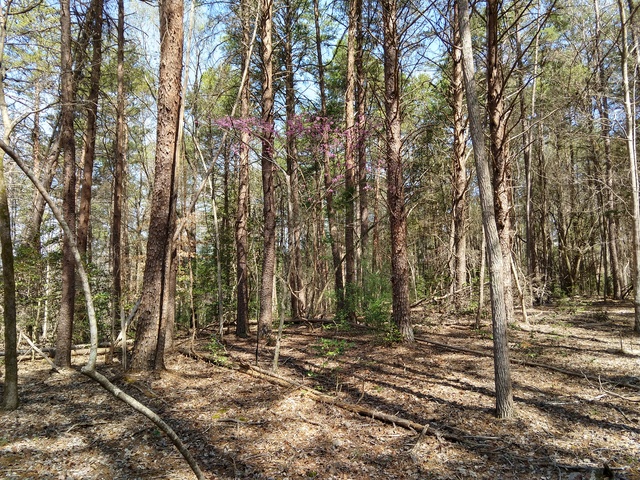
up:

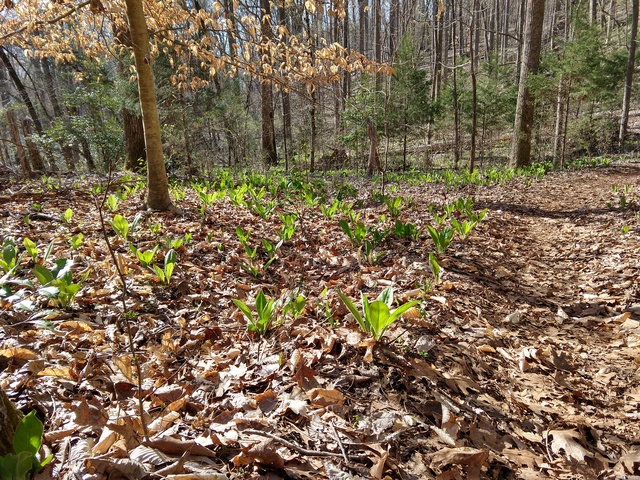
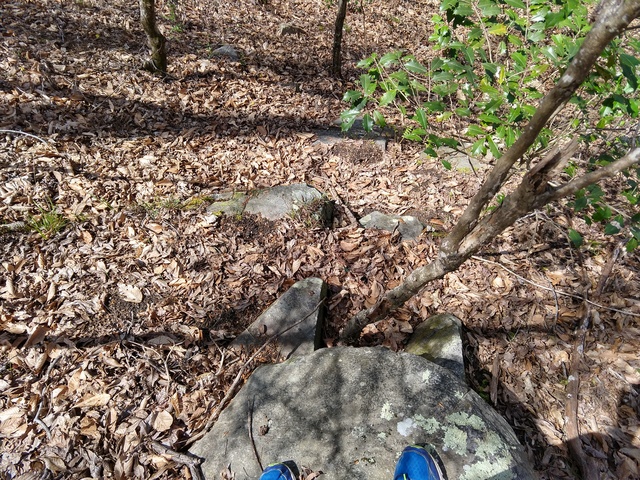
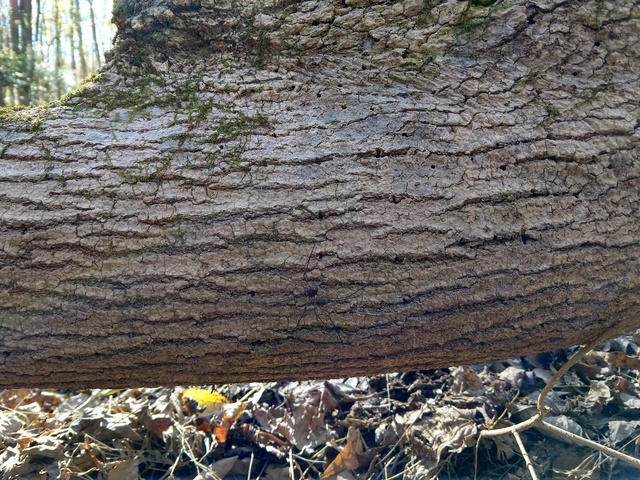
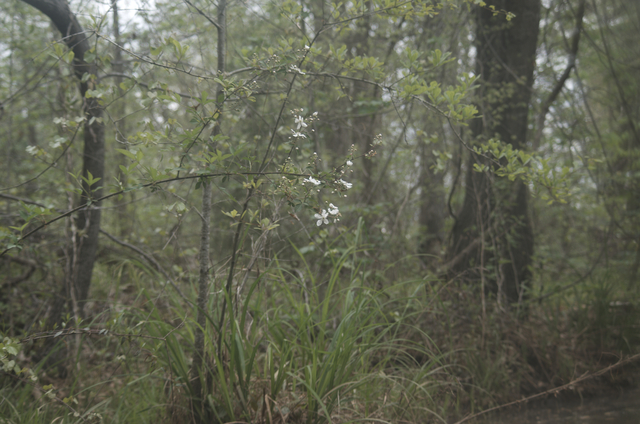
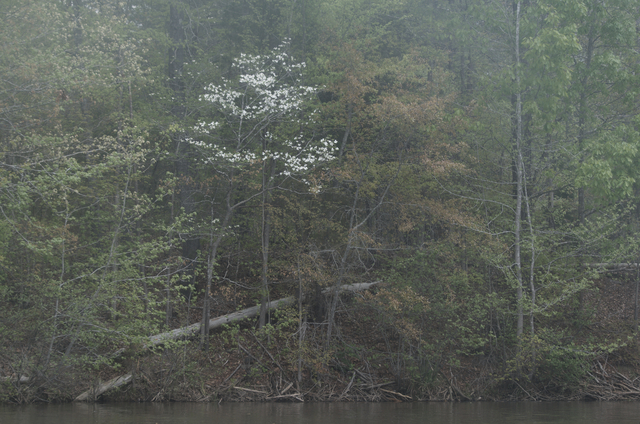
and even down:


shows that spring is well under way. The early morning chill didn’t last long either, and soon my extra layers were in the backpack.

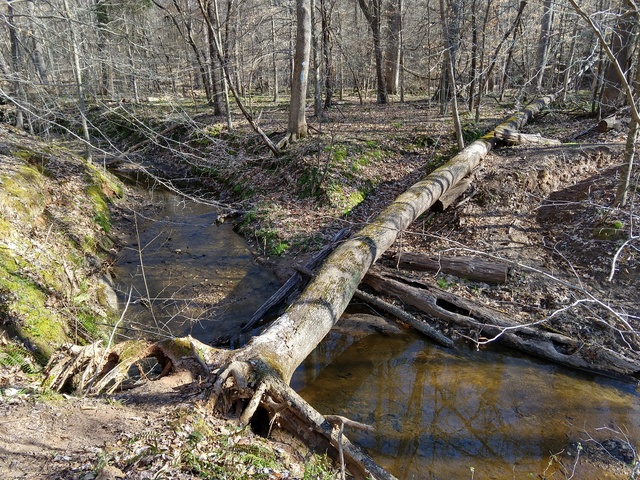
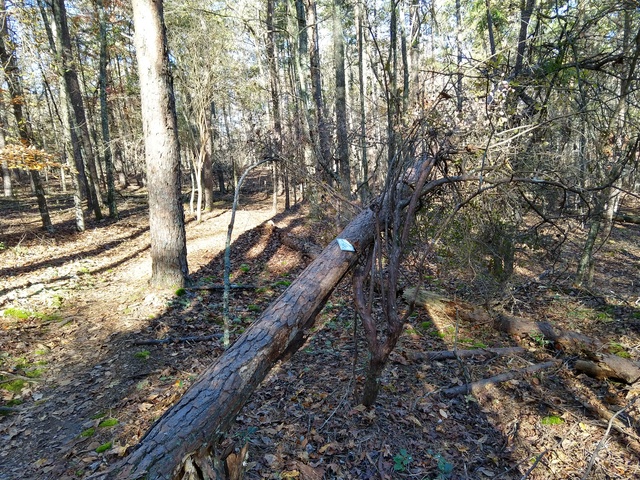
One thing I like about Croft is that the trails are, well, trails, and are often just a path through the woods (some places seem to consider a “trail” a paved bit of road that just happens to be too narrow for a car). Of course, that means sometimes you have to be a bit creative and use what Nature provides to get around (or over):

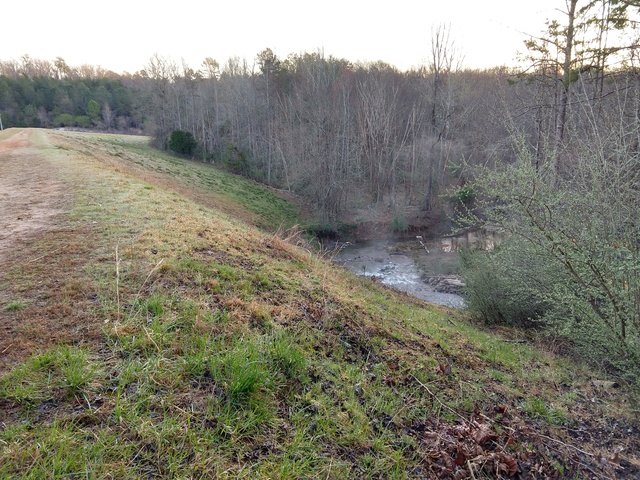
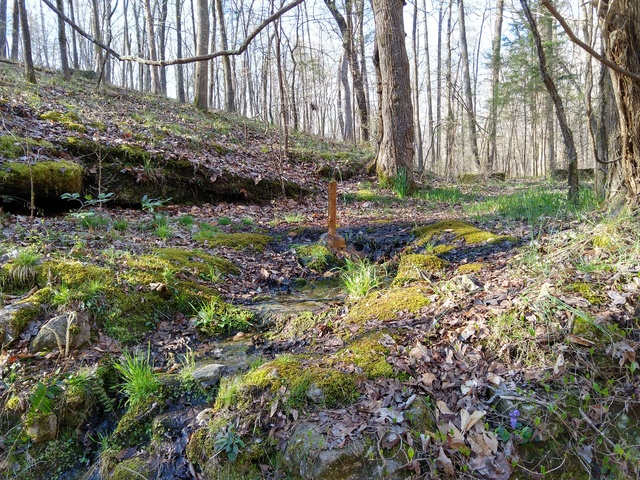
That crossing is on the Whitestone Springs trail, which leads, as one might guess, to Whitestone Springs. That must be the spring itself there:

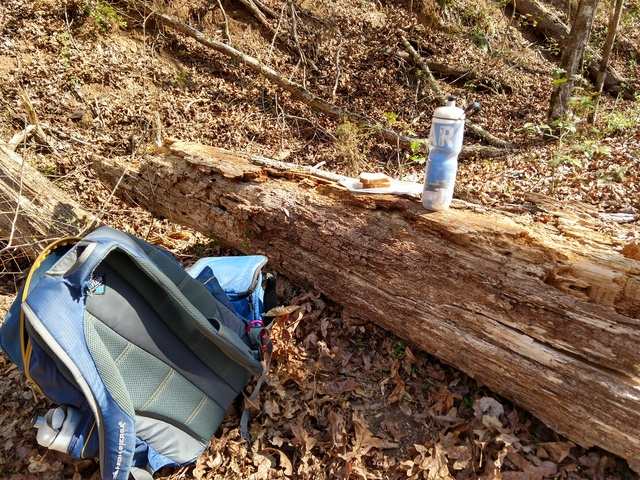
I’ll do the stereotypical social media thing and post about where and what I had for lunch:

A ham, turkey, swiss sandwich on whole wheat and a banana, eaten near the south end of the Rocky Ridge trail. Actually, that was one of about three lunch breaks I took. Like hypersonic flight, walking around in the woods makes me hungry.
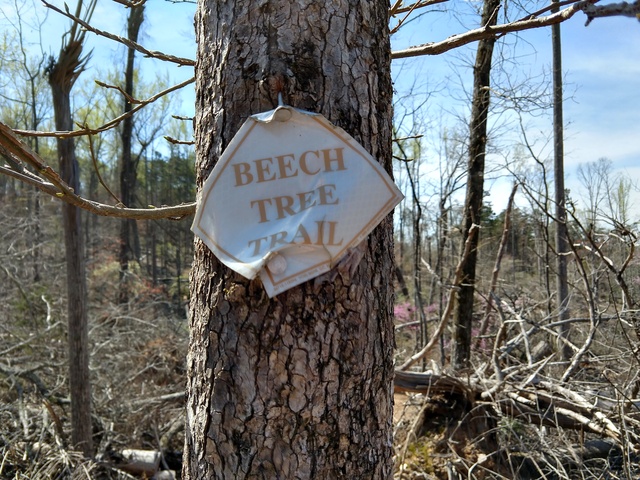
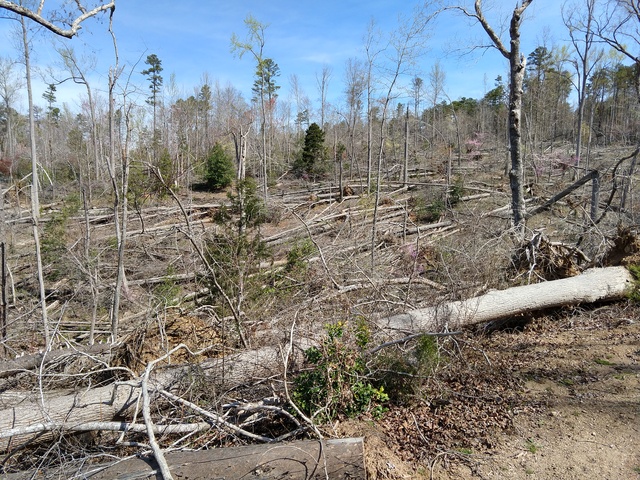
A bit over a year ago, a section of the park was torn up by storms and a tornado. The Beech Tree trail was closed for a long time. I headed up that trail this time and found out why:


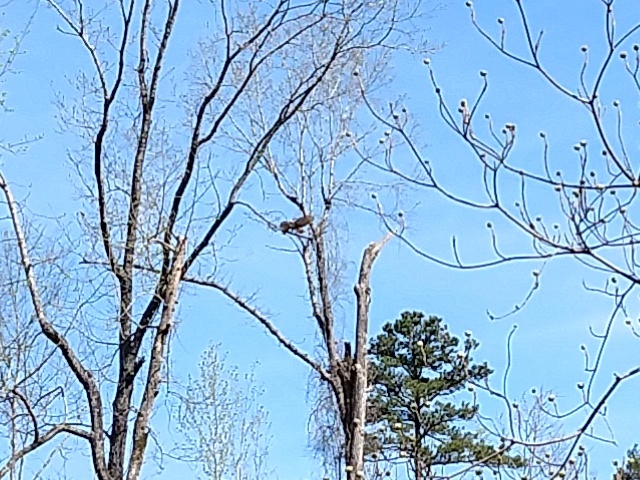
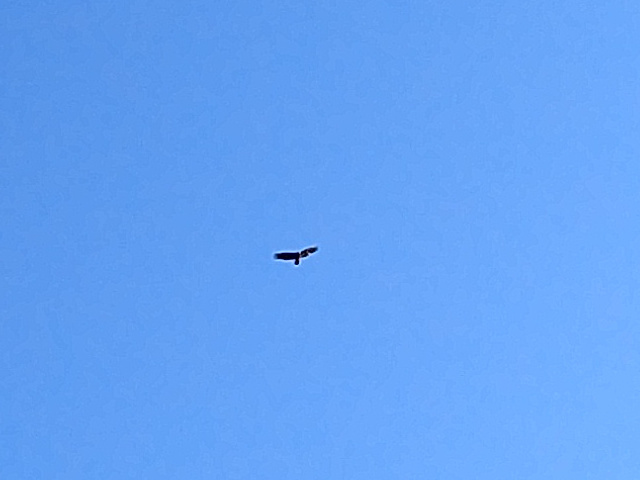
In the woods, a lot of the wildlife is hidden from view, but in that torn-up area I did spot a red-tailed hawk:

Sorry, that’s the best I could get with my cell phone camera. Still, if you listen, you can tell you’re far from alone out there. Here’s a little video with the sound massaged so you can hear who’s out there.
VID_20190329_091154021_final
I have a T-shirt with a picture similar to this one, with the caption “Recalculating”:

The trail didn’t actually go down that hill, but it was a nice view.
My route ended up going north on the Foster’s Mill Loop trail, down the eastern side of the loop to the Rocky Ridge trail, back to Foster’s Mill, then up, around, and back on the Beech Tree trail, and because I just didn’t feel done just yet, the Nature Trail. Then I was done.

Strange idea #1: flight of fancy

Update: shortly after I posted this, NASA released some very interesting images taken with schlieren photography of a pair of supersonic T-34 aircraft showing their shock waves.

Sometimes I get these strange ideas. Ok, a lot of the time I get strange ideas. This one feels a bit more fleshed out than many, perhaps because I can reference a bunch of Wikipedia (et.al.) articles to explain and support it (sorry if I got carried away with the links).

I’m thinking about waverider aircraft, which take advantage of compression lift to improve performance at supersonic speeds.

Now for the strange part. What if a bird could go fast enough to exploit compression lift? The pointy Corvidae aerodynamics would seem to be suitable for this. Yes, it’d take a lot of flapping to get up to waverider speeds, but if I had my superpower of choice, the ability to become inertia-less or mass-less (really the same thing), I bet I could pull it off. My ability to disassociate myself from the Higgs field is easily the farthest “out there” of anything in this scenario. So what would that be like?….

[The song “Riding the Waves” from The Afro Celt Sound System‘s “Volume 2: Release” album makes a good soundtrack for this. The one I found on YouTube was somehow slowed down, and just doesn’t work for this, so find the album version. Queue it up from your favorite music source and let’s GO.]

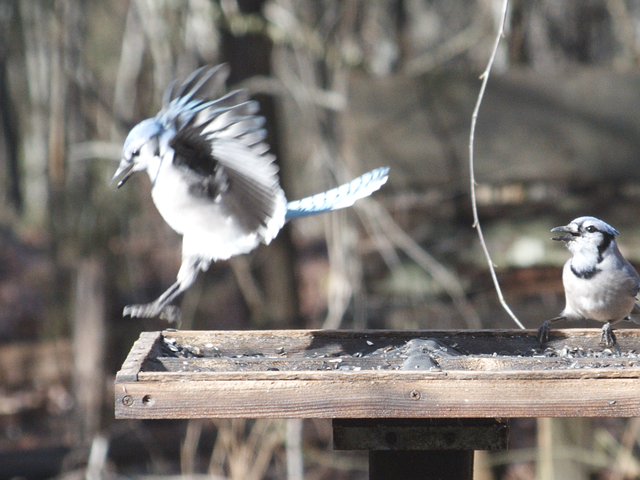
I start out in a Blue Jay’s preferred habitat: the forest, in this case near the Southern Appalachian Mountains of the southeast USA. This is going to take a Lot of room, so I start with my usual ducking, diving, and weaving through the forest. This is always just good fun, but now I’m accelerating hard, until popping out the top of the forest into a bright clear sunny VFR morning. I’m going fast enough already that predators shouldn’t be much a problem, although I’m wary of those big metal things humans stick up in the air. At least they’re noisy so you can hear them coming.

Now I continue climbing, accelerating a bit but mostly climbing, looking for that sweet spot in the atmosphere where the air is thin enough to significantly reduce my drag but is still thick enough to get a good shove off of to apply thrust.

Reaching that altitude, around what y’all would call 10000′ density altitude (I’m not concerned about the number, though, I know it when I feel it), I level off and start to accelerate. As I shed those Higgs bosons and become more mass-less, acceleration really picks up. I’m not even using all my wings at this point, just the outer portions, almost humming-bird style. The rest of my wings are folded in to reduce drag. My tail is folded fully in: at this speed there’s not much surface needed for pitch and yaw control. In fact, I need to be careful to make only the tiniest of adjustments to maintain control.

The sonic shock wave is building in front of my beak. I can almost see it distorting the air. My speed is reasonably measured in hundreds of meters per second now.

I’m controlling my boundary layer to maintain a laminar flow, where the air right next to my feathers is hardly moving at all, while successive layers air going outward are going faster and faster. This maintains a very low drag as well as insulating me from the heat that’s being generated by all this air rubbing against the rest of the air. This requires a very active, distributed, lightning-reflex-fast flight control system. Just like a bird’s.

Now I’m going transsonic. This is the tricky part. Most of the airflow over me has become supersonic, but there are still parts that are subsonic. Aerodynamics are very different between those two regiems. My extreme aerodynamic control is handling it.

Reaching fully supersonic speed, I poke through the shock wave. Again, this is tricky, one slip and I could turn into a pile of feathers going in all directions at once. I place myself just in front of the shock wave with careful pitch and speed adjustments. I extend just a little of my wingtips and droop them down to contain the shock wave, and I can start to feel the compression lift, until it’s almost like being shoved forward. I take advantage of that to pitch up ever so slightly to climb higher. The air is really thin up here as I reach the the upper troposphere, but now I don’t need to apply much thrust at all, and the reduced drag helps the acceleration continue. I’m almost ballistic, riding the shock wave.

Shoved to hypersonic speeds, North America just slides by. The Appalachians are just a line of hills below, zipping by. I continue to control that boundary layer to maintain speed and temperature. My flight control system is operating at it’s peak. If it wasn’t, not only could I end up a poof of feathers all over the sky, I’d probably be fried too when I lost the boundary layer.

I’m not worried about predators up this high and fast, but I’m still alert, in case any of those big clumsy human sorta-winged things (can you really call it a wing if it can’t flap?) are up here. I wouldn’t want to scare some human pilot if I could avoid it. Then again…

Wise old pilot: Wh–?
Young co-pilot: Did you see that??
Pilot: I saw … something …. looked like a … bird…
Co-pilot: Yeah, that’s what I thought I saw. But the way it shot past us like that… what’s our airspeed?
Pilot: [Mach] .82.
Co-pilot: Couldn’t have been a bird. Should we report it?
Pilot: Kid, I’m 3 months from retiring with a full pension. I am not reporting that we got passed by a bird at FL330 and Mach .82. No, not even to ASRS!

I alter course ever so slightly (at 1500+ meters/second there’s no sharp turns, even if I still mass just about nothing) to angle across the North Atlantic, shooting across Europe and Asia. Fortunately my radar signature is almost non-existent, otherwise I might cause an international incident, although in the dark here the slight ionization trail created by the hot air collapsing in my wake is visible (not that I’m watching, my focus is all forward). The darkness isn’t a problem: this high up I have a clear view of the stars in the sky. This, combined with my own sense of direction make navigation easy.

Coming back over North America across Alaska, crossing into Canada, I begin to reduce the meager thrust I’d been using to maintain hypercruise and slowly straighten my wingtips to release the compression wave. Speed begins to rub off slowly. I let my mass start to come back so gravity can begin a slow descent.

As I come back over the United States, I’m down to merely supersonic speeds. I know we’re not supposed to be supersonic over land because the sonic boom bothers people, but with my small size, what they’re probably hearing down there, if anything, is more like a gunshot than a boom. The shock wave I’ve been riding begins to move forward. This is another tricky transition, and all my nerves are fully active to maintain control, sensing the tiniest perturbation of the air, flight attitude, direction, even gravity, and applying just the right corrections with wings, tail, beak, tilt of the head, crest, or even just the way I breathe: it doesn’t take much.

I finally get behind the shock wave and become subsonic approaching the Southern Appalachians. I pitch down a little more to continue descent while still scrubbing off speed. As I slow I extend my wings and tail for additional control and drag to continue decelerating. My flight planning is perfect and I swoop over my home range forest just as my speed comes down to a more normal small-bird 40kph. I drop back into the forest.

I’ve traveled around the northern hemisphere in a little over 5 hours, most of that at Mach 5+, covering about 22,000km. Whew.

Let’s do it again! After I get something to eat, of course. Hypersonic flight always makes me hungry. Good thing I nailed the entry to the forest, ending up right near where there’s always some sunflower seeds. Yum!
Creature Feature 2018 #8

One thing about weather in the Carolinas, if you don’t like it, just wait a minute. In my last post a little over a month ago I was out in near-freezing conditions to take a walk in the woods. Then we had sleet. Then astronomical winter started. Today it was warm enough to put on shorts and a T-shirt and wring one last lake trip out of my 2018 boat permit.
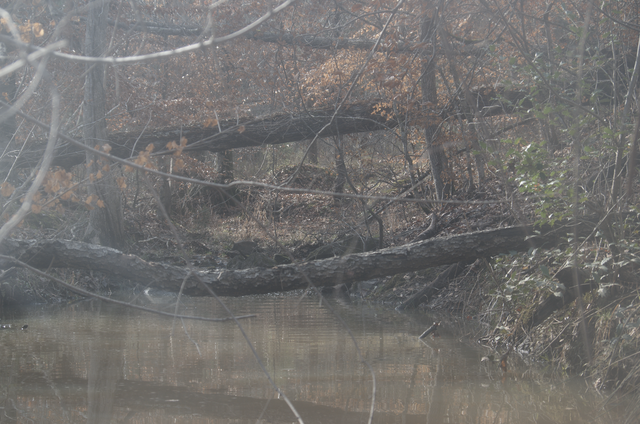
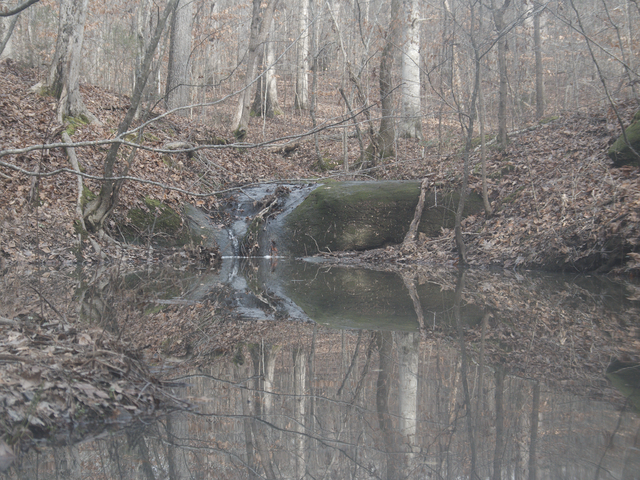
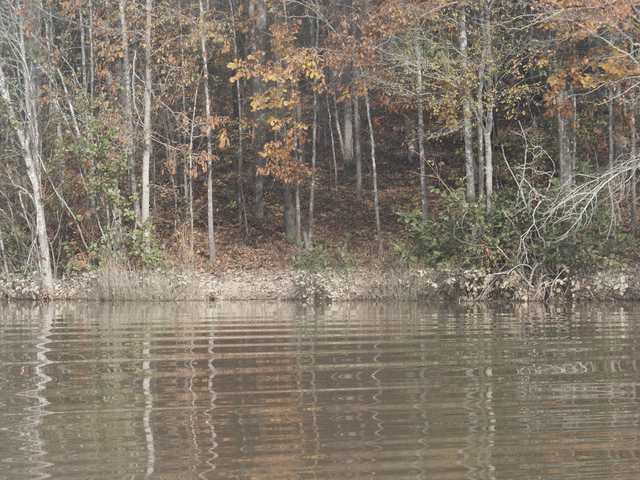
A couple months ago, things looked like this:

What a difference a season makes:

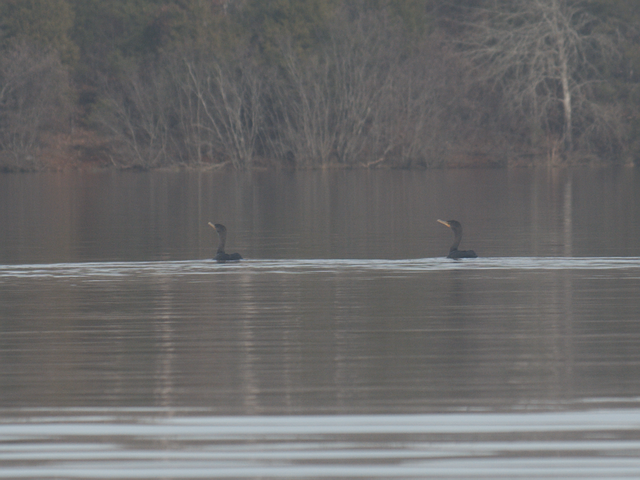
So now we’re getting into winter (again?), and everyone is settling in, and not a lot of wildlife is visible. Many have left for the winter, and those here (either wintering or year-round) are keeping a low profile. Like these Cormorants:

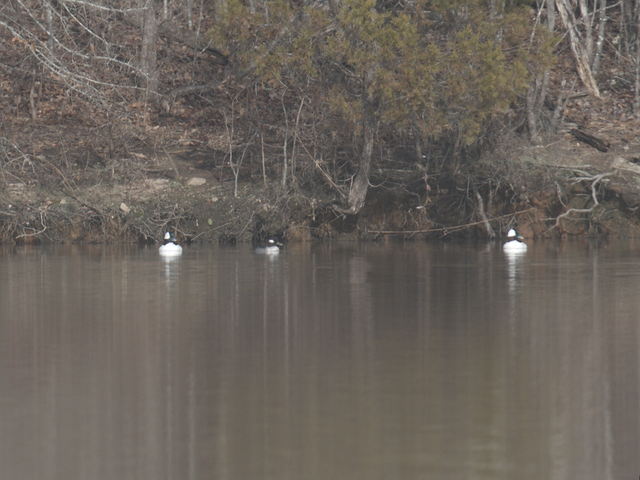
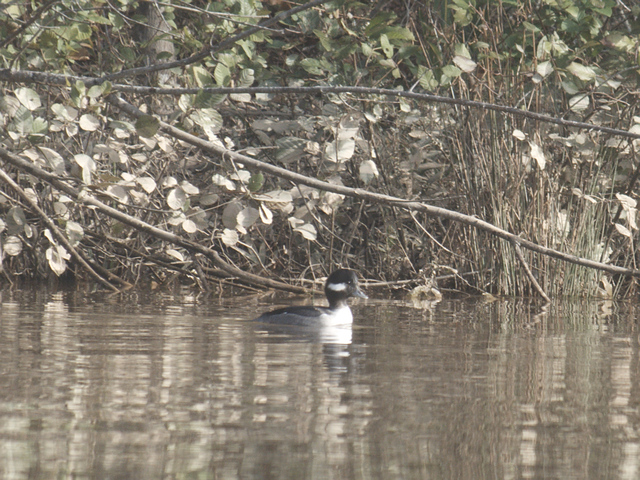
And some Buffleheads:

I was trying to get a picture of something else and ended up with this bit of “artwork”:

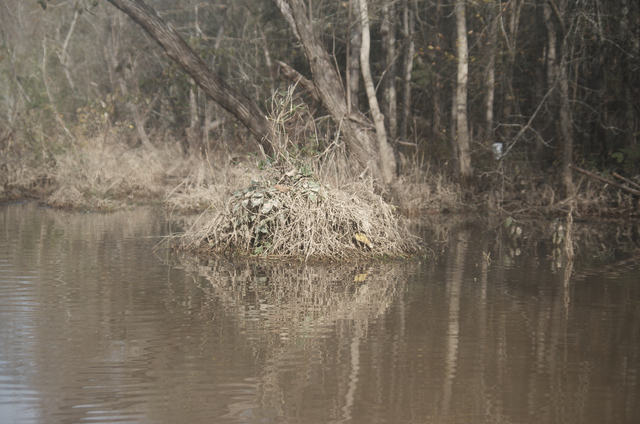
With the lake level up from recent rains (we’ve been getting a good bit of that lately), I was able to get in to more nooks and crannies around the lake. Like this little spot:

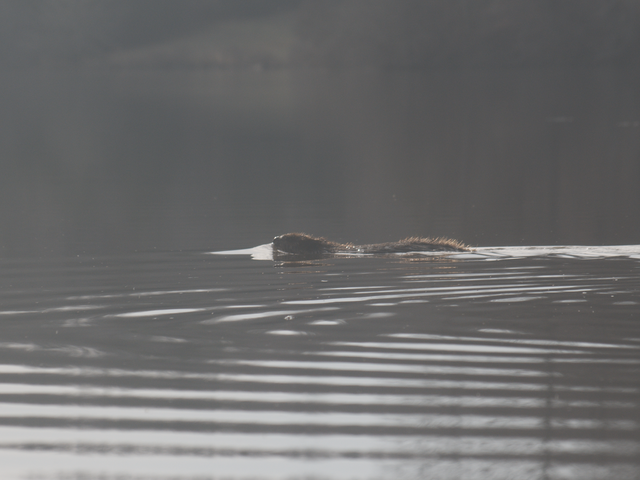
A floating bit of debris up ahead? Or…

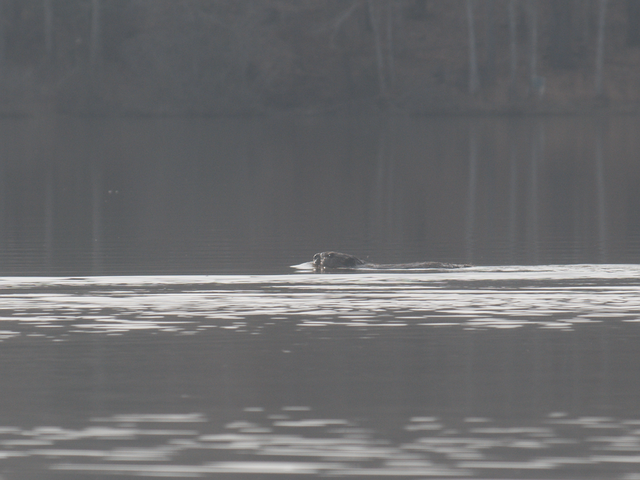
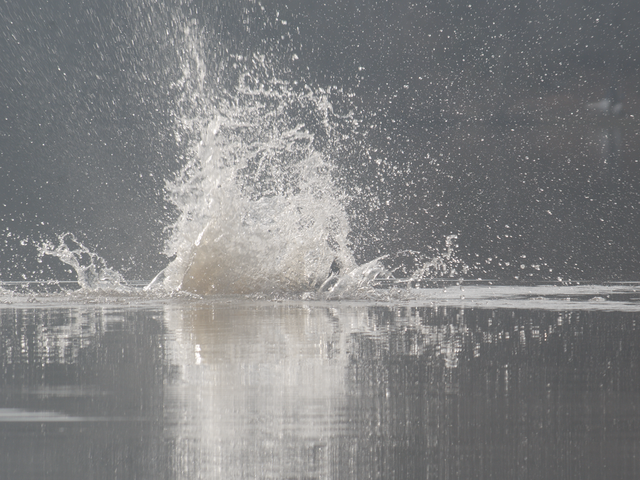
It’s not often you see floating debris with a nose and eyes…

Yeah, that was a Beaver.

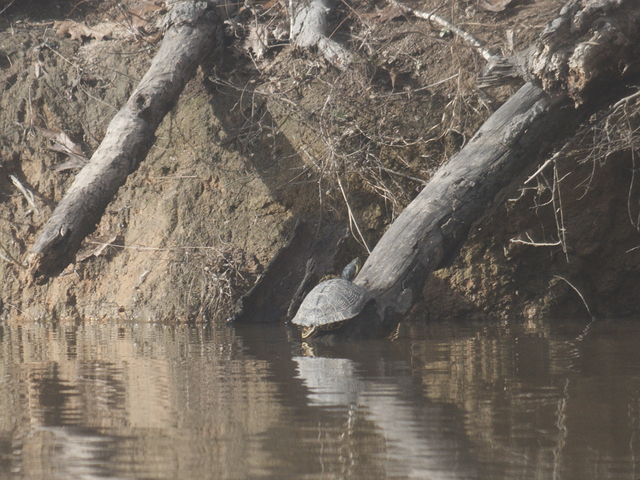
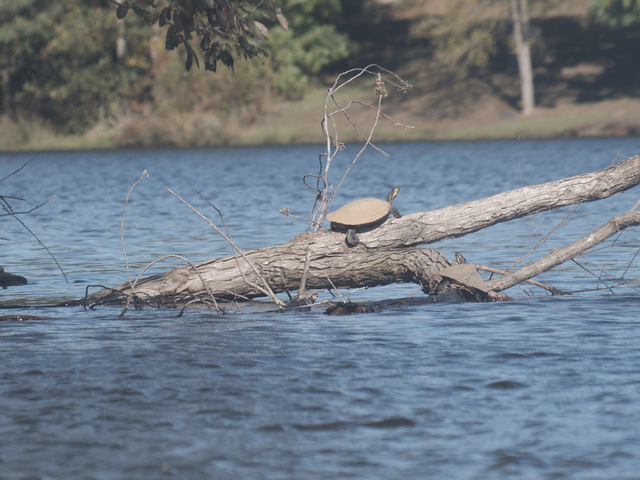
Turtles were out too catching some late-season sun:

So, that’s most of the major groups, birds, mammals, and reptiles. And one plastic boat.

Going-on-winter at Croft

A much-anticipated rare opportunity to pay another visit to Croft State Park occurred today. The weather had turned colder, and I briefly considered delaying my little walk in the woods until later in the day, but some things just shouldn’t be put off. So I layered up and, as is my wont, got to the park right around sunrise, with a temperature just barely on this side of freezing. [Reminder: you can click on the pictures to get a higher-resolution version.]

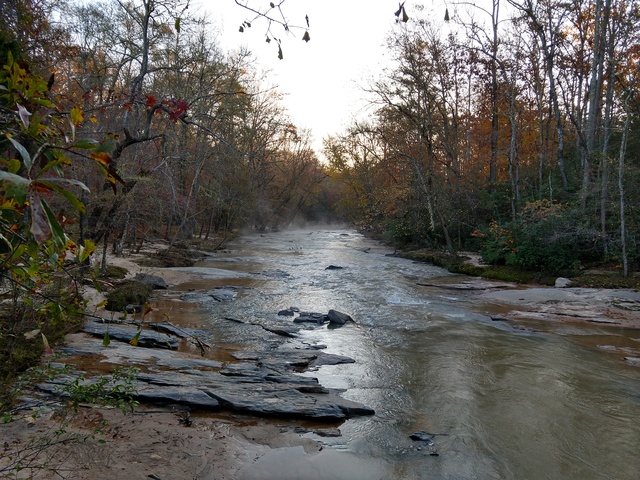
I hadn’t been to the southern part of the park, so I decided to remedy that on this trip. Access is via the one and only bridge over the Fairforest Creek:

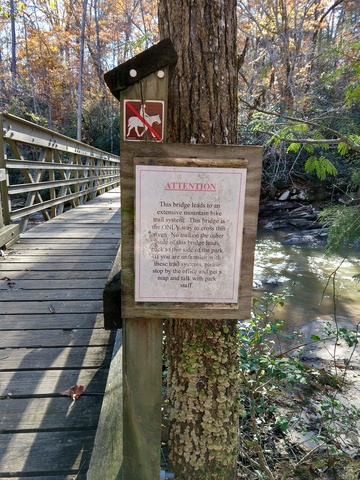
There’s quite a network of trails over there, and one is advised to be prepared:

I was told by park staff that, even though the trails are well marked, yes, people do occasionally get turned around on those trails and end up being lost.

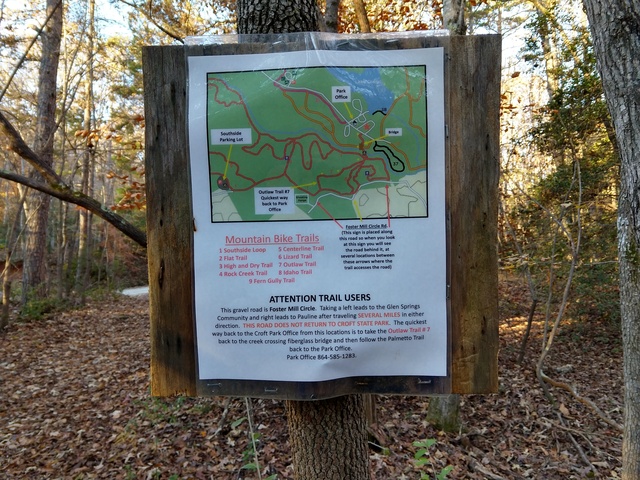
Helpful signs work to keep one on track, and advise the best shortcut back to base, as well as warning what not to do.

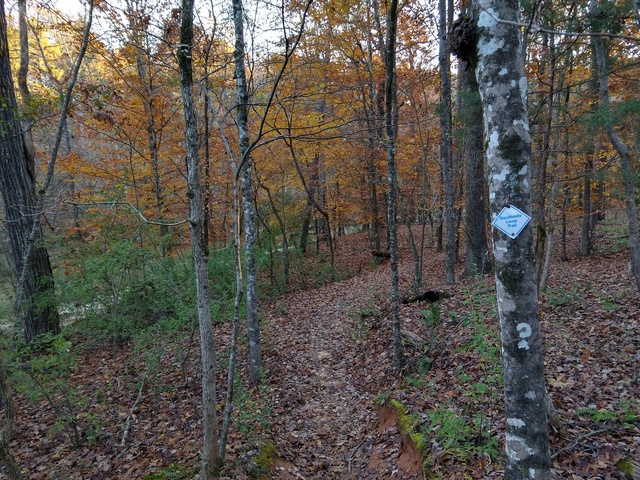
My navigation was simplified by sticking to the Southside Loop Trail, which just circumnavigates the area.

Although, I’m not sure I’d want to follow this blaze.

Sunrise in the woods. Always a good thing.

With it being this time of year, there wasn’t a whole lot of wildlife to be seen. Just as well, perhaps, as I didn’t bring my Good Camera and a cellphone has some real limitations when it comes to wildlife photography. I really could have used a longer lens for this bird I saw up high (sorry, there’s no better-resolution version of this one… this is it):

I tried to photograph a few Robins I saw around the trail, but, well, I’ll just call this shot “scenery”.

I did happen across a couple of spiders getting cozy.

The recent rains left some areas rather muddy, and there’s a lot of elevation change on this trail. Watch out for that first step…

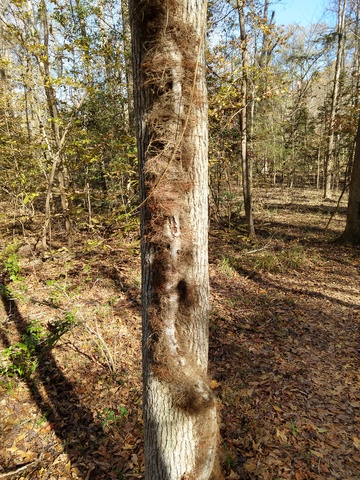
At first I thought this might have been a squirrel with a really long tail, but it was some sort of vine growing up the tree, with some other fuzzy growth on it.

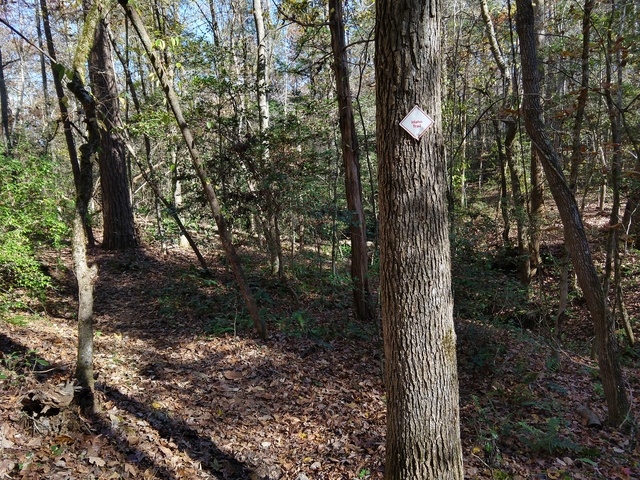
After completing the Southside Loop Trail, I had a little extra time so I went out the Idaho Trail and back on the Outlaw Trail (the one signs advised was the quickest way back from the far side). The Idaho trail is apparently less traveled, and with all the freshly-fallen leaves, it was sometimes hard to keep track of just where the trail was. There’s also a couple of gullies that had me figuring how to get across them, to the extent that I didn’t get any pictures. It’s easy to see why the Outlaw Trail is the one advertised as being “quickest”.

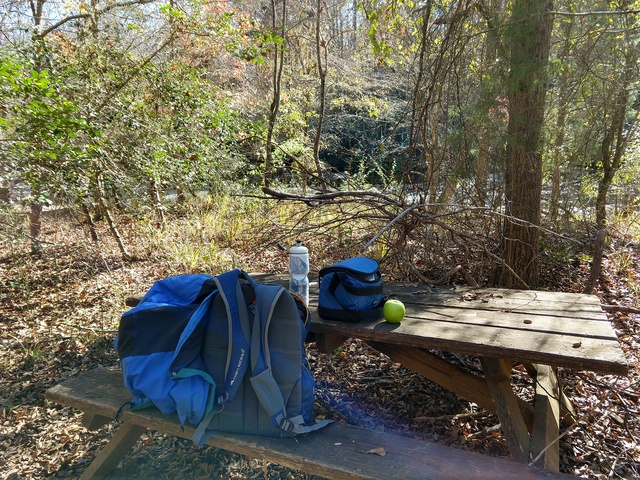
Now this is what you call going OUT for lunch. “Table with a view, please”. That’s the Fairforest Creek in the background.

By that time I had already shed a couple of layers, but of course, everything came back out of the woods with me. Leave only footprints, if that.

Creature Feature 2018 #7

It’s finally starting to look more like late fall-going-on-winter around here, with the weather turning cooler and the trees finally sheding their summer plumage. It was only three weeks ago it still looked like summer.
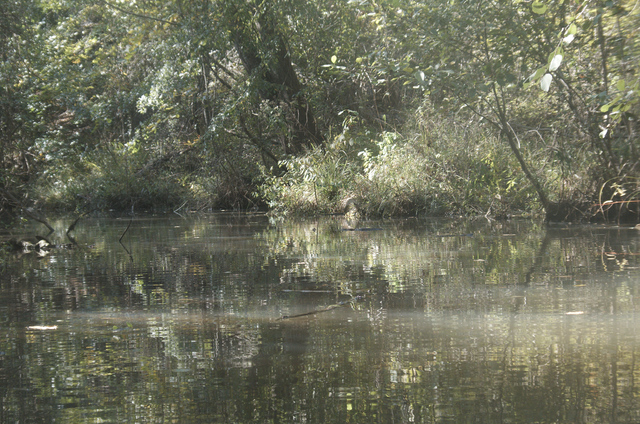
Recent rains have left the lake level about a foot higher than normal, but it was clearly even higher, as can be seen by the mud line along the shore:

or the mud on this ourcropping of vegetation:

The wildlife is looking more winter-like too, with wintering Buffleheads hanging around:

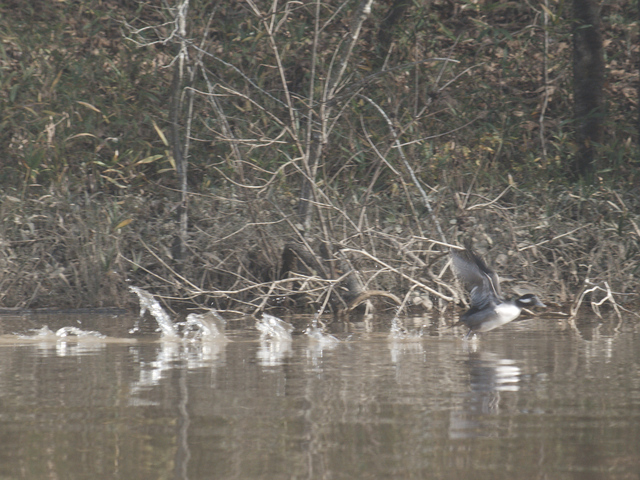
I try not to spook the wildlife, but sometimes it happens anyway.

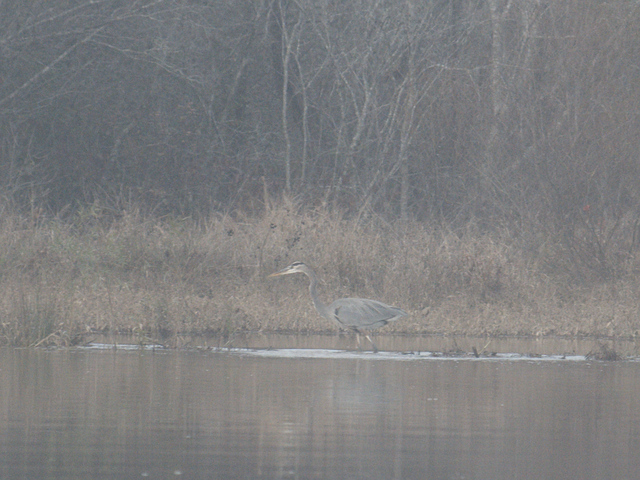
Oh, and let’s not forget the obligatory Great Blue Heron picture: this one was hunting for dinner so I kept some distance:

Creature Feature 2018 #6

I finally managed to get back out on the lake last weekend. The crazy thing is, with the weather we’ve been having, everything is still green, on the last days of October. These pictures could have just as easily been taken back in July, but really were taken on 2018-10-28.


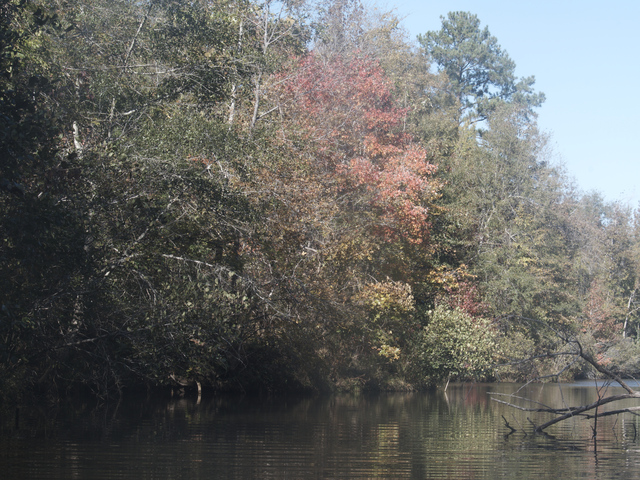
Some trees were just starting to change colors.

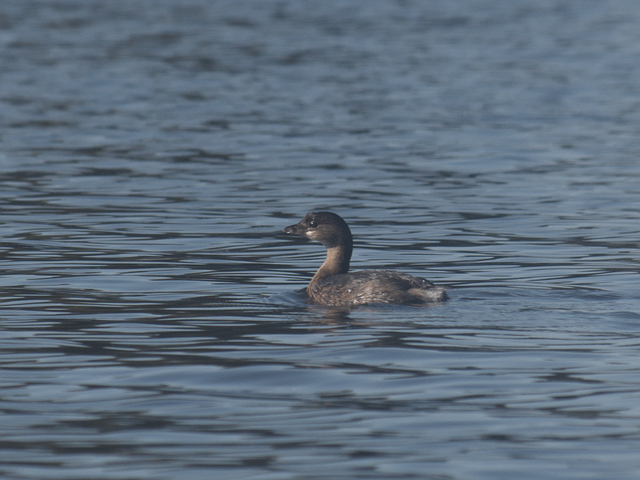
The wild animals didn’t seem too bothered by it. This solitary duck kept popping up and down as I maneuvered around with the camera:

And the turtles were taking advantage of the fall sunshine:

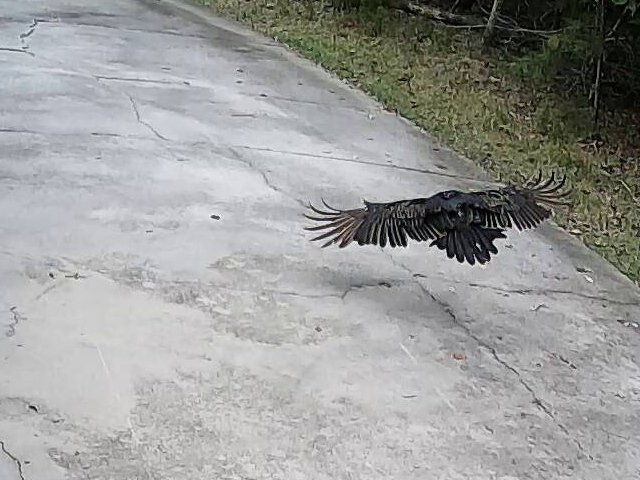
One thing about having a surveillance camera is that it sometimes picks up interesting things. Like this vulture coming in for a landing (full stall, it looks like) on my driveway.

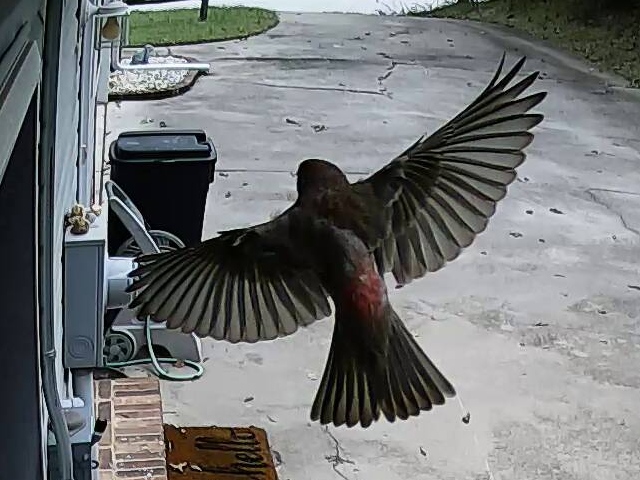
Or this bird playing around the camera:

Creature Feature 2018 #5 catchup

A little catch up. I’ve been so tied up since the summer, I never had a chance to post these. Believing it’s better late than never, here’s some pictures from last summer.
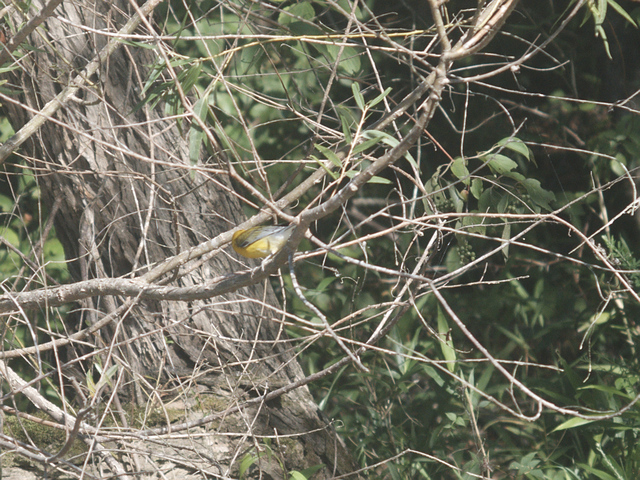
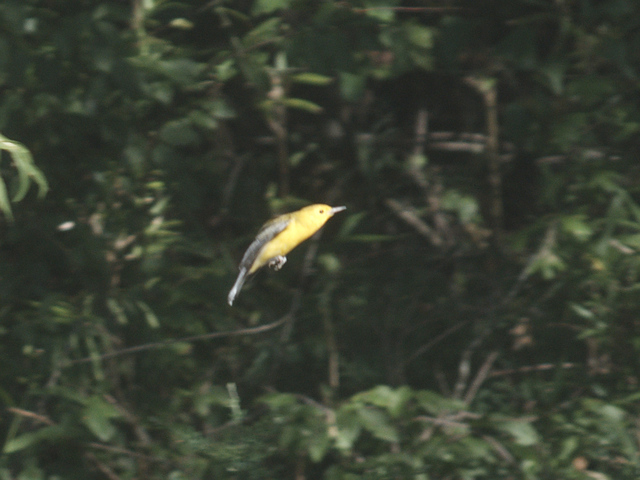
I believe this is a Prothonotary Warbler I’d seen only once before:


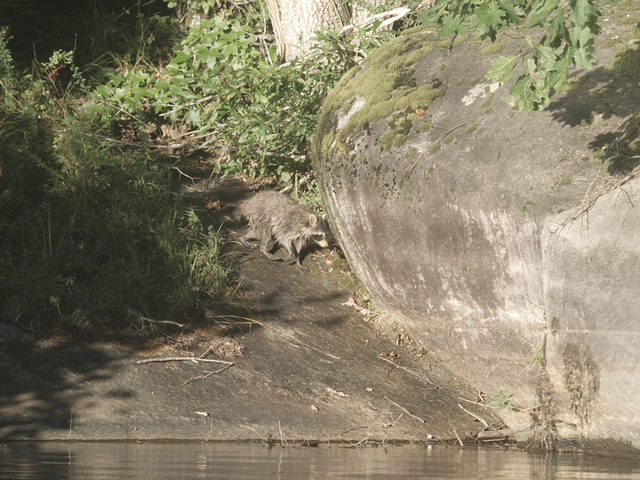
I mentioned that not all the creatures I see while paddling around the lake are aquatic. This raccoon, while not really aquatic, doesn’t seem to mind the water.

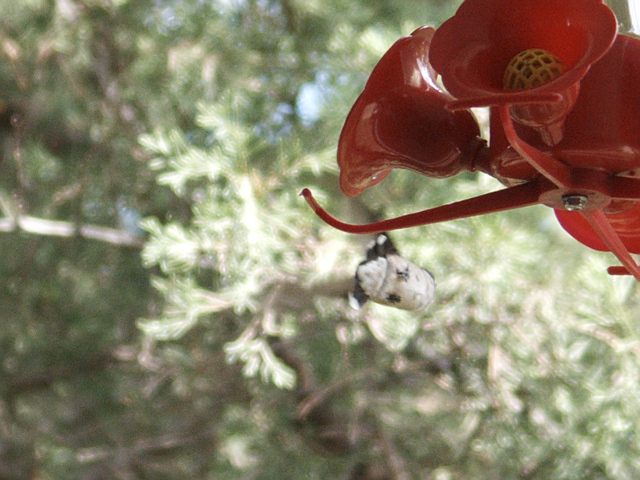
Meanwhile, back on shore, I had herds of hummingbirds through most of August. I’d see 6 or 8 at one time swarming around the feeders, which I had to fill every day. I took to mixing up hummingbird fuel by the gallon.

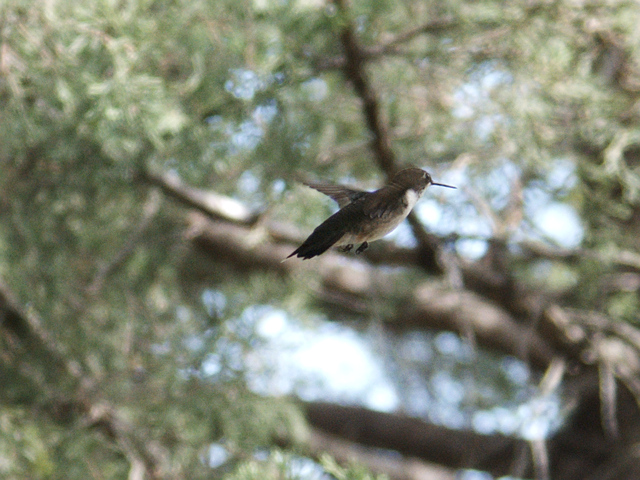
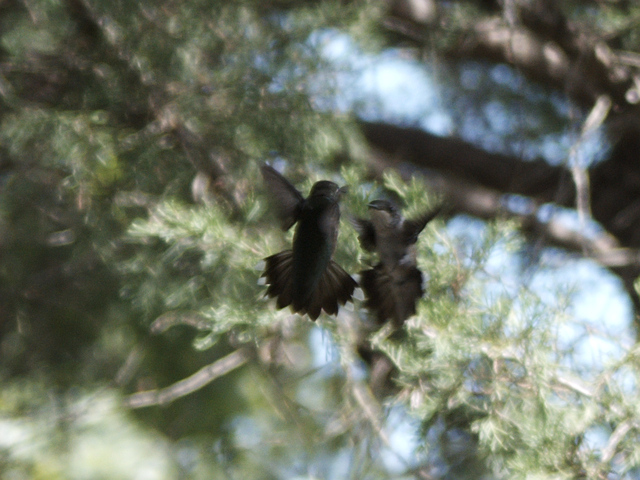
My point with these pictures isn’t so much that they’re good pictures (these guys are small and fast), but I did catch some that really showed how they can maneuver.

Like this one in an almost-90 degree bank leaving the feeder:

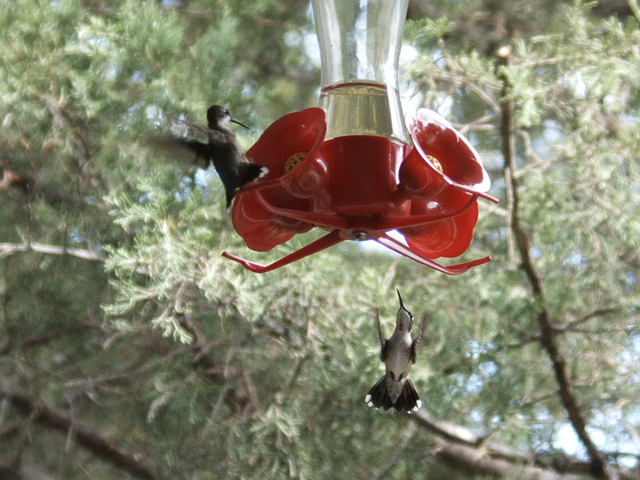
At times it got rather crowded, and it seemed the sky wasn’t big enough for two of ’em. No, there was no mirror between these two:

Creature Feature 2018 #4

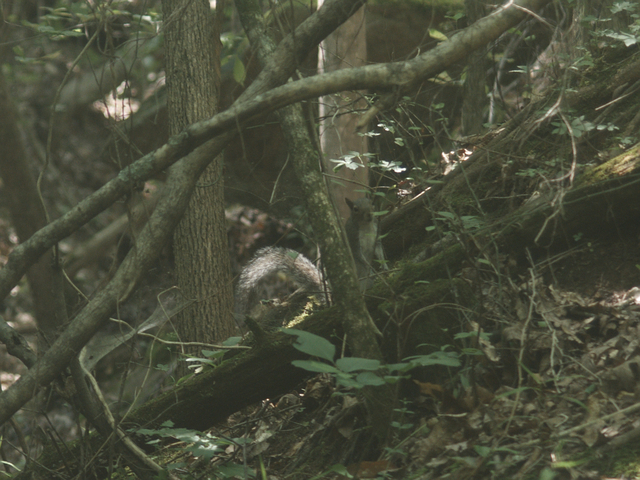
One thing about going up all these little inlets and backwaters I like to frequent is that not all the creatures I see are really aquatic, like this Gray Squirrel:

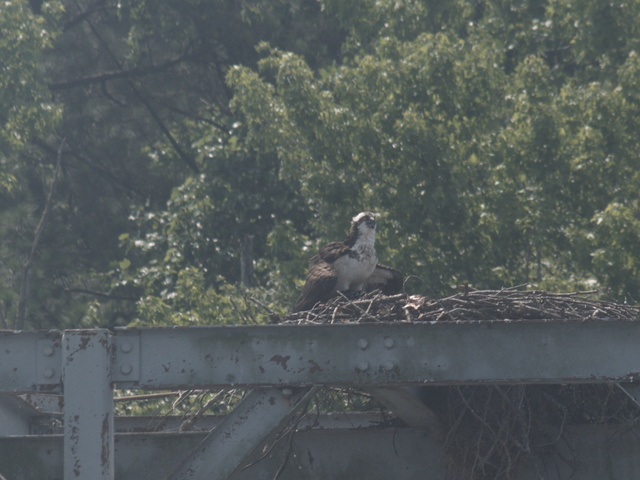
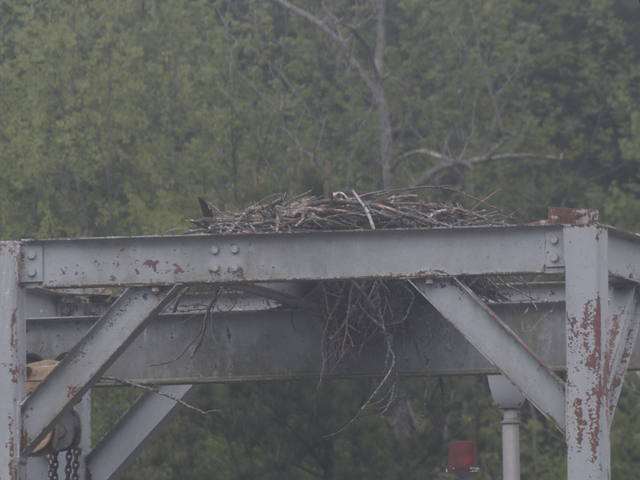
But there’s plenty that are quite happy in and around the water, like the Osprey, who are working their nest on top of the water system’s intake structure:

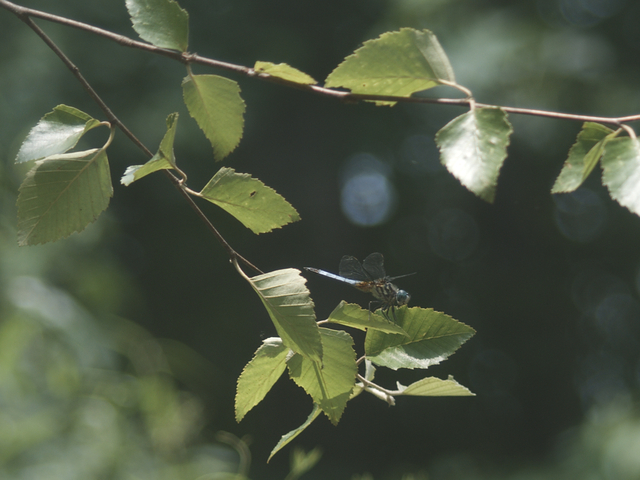
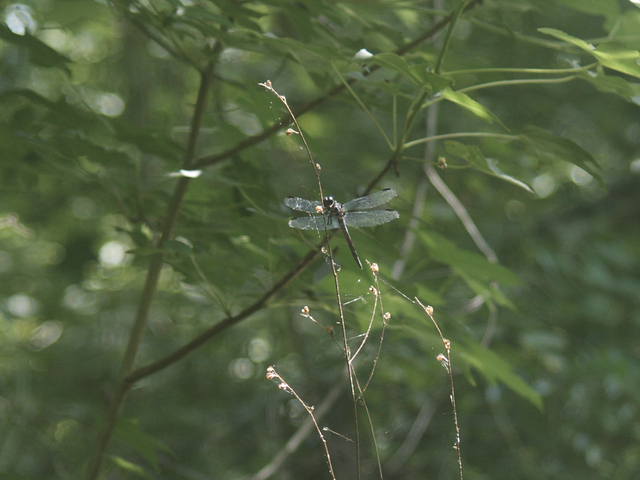
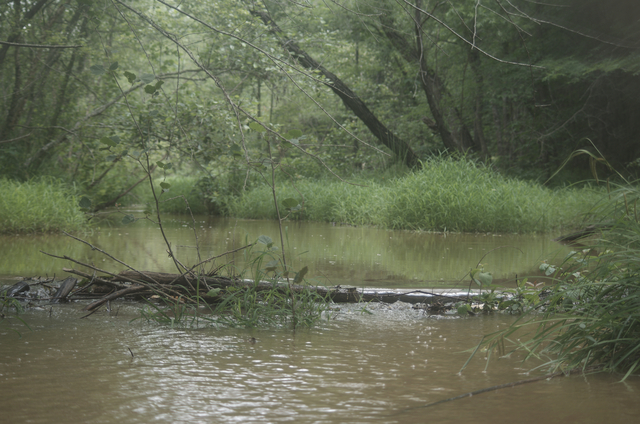
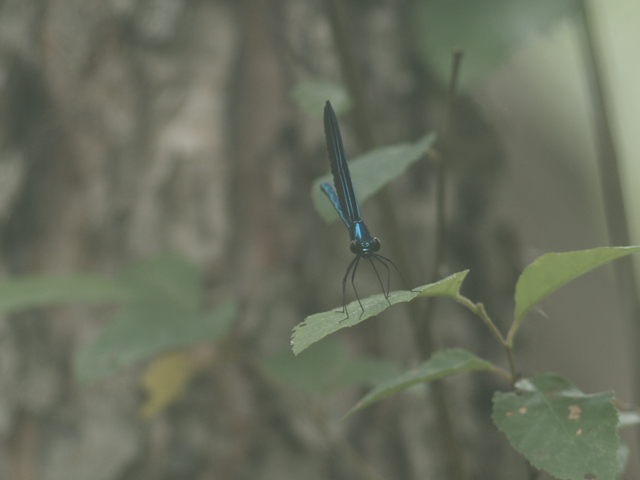
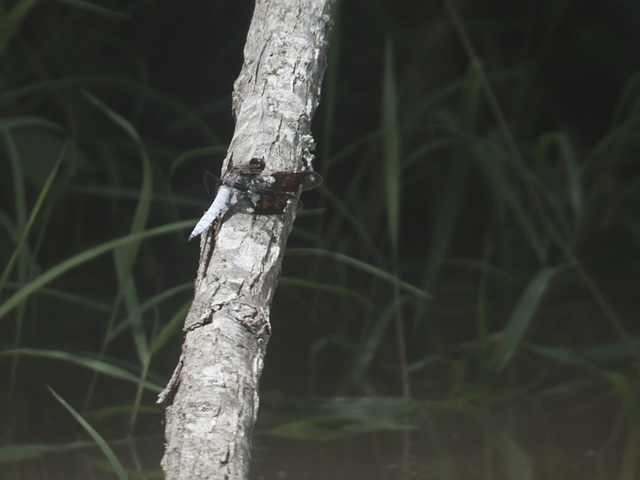
Of course, it’s only been a week since my last report, and it’s still Dragonfly season out there:


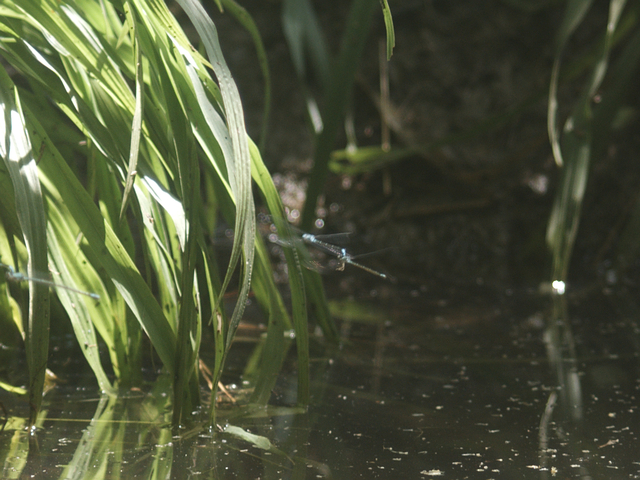
A lot of them are flying in “extremely close formation”, like these two that I just barely caught with the camera:

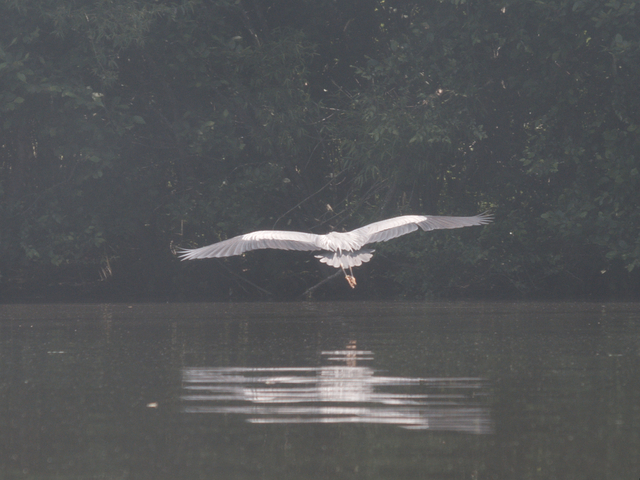
For today’s obligatory Great Blue Heron picture, I startled this one when I came around a bend and didn’t see her there:

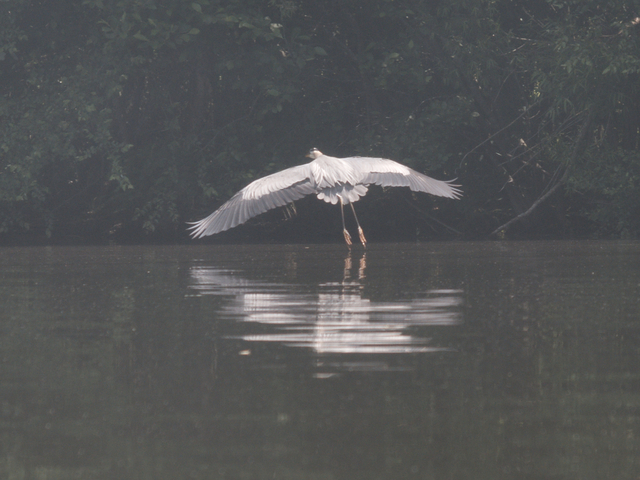
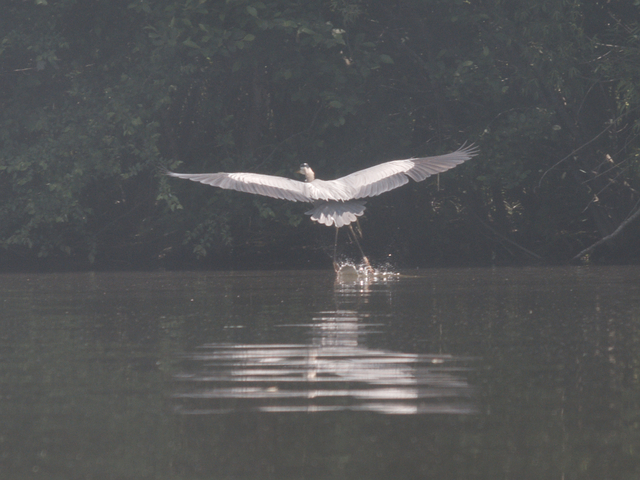
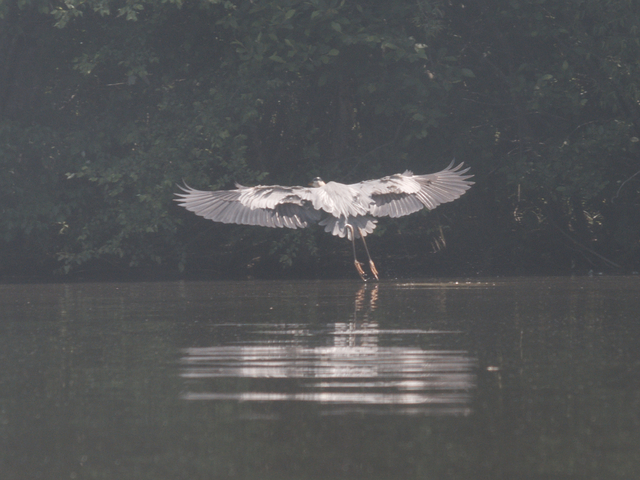
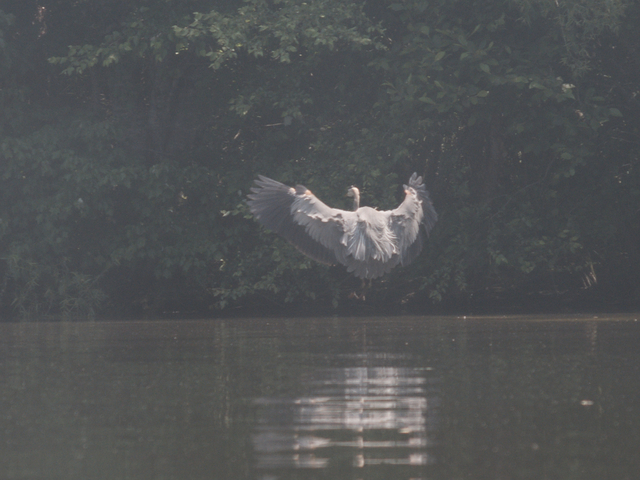
If you’ve ever wondered how you land a bird of this size (or, more accurately, how a bird of this size lands a bird of this size)…

Scrub off a little speed..

Plan a full-stall landing (there can’t be much lift left there)…

And put the landing gear …er… feet down before touchdown:

Creature Feature 2018 #3

The lake was all silted up from all the recent rains, but all that runoff raised up the water level so I could get into more of the nooks & crannies around the lake.

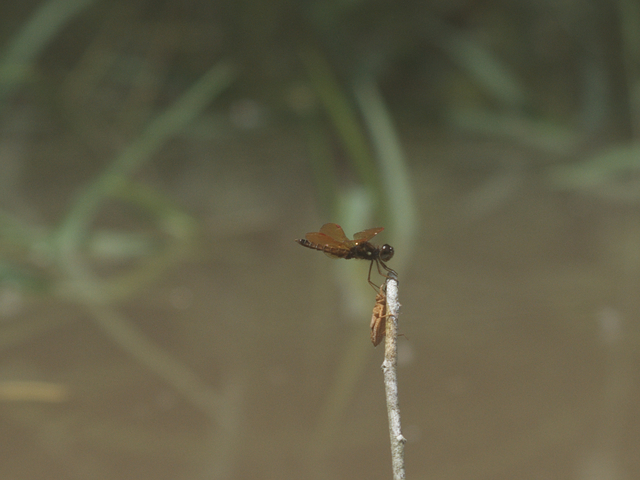
It’s definitely the Time of the Dragon, Dragon Flies, that is:

This one probably just emerged: that looks like their shed larval skin on the branch:


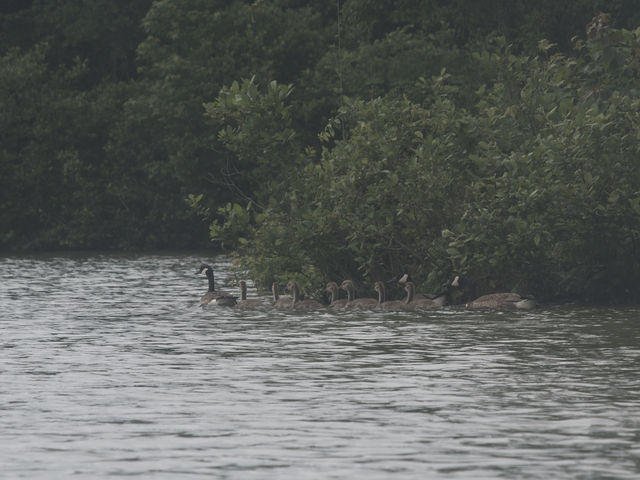
The Geese have definitely been busy. I came across a large group of Gooselets (and just a few adults) along the shore. They split up (perhaps with all those little ones, I made them nervous), pretty much evenly, and while one group went into the woods, this group continued along the shore. I suspect the met up later.

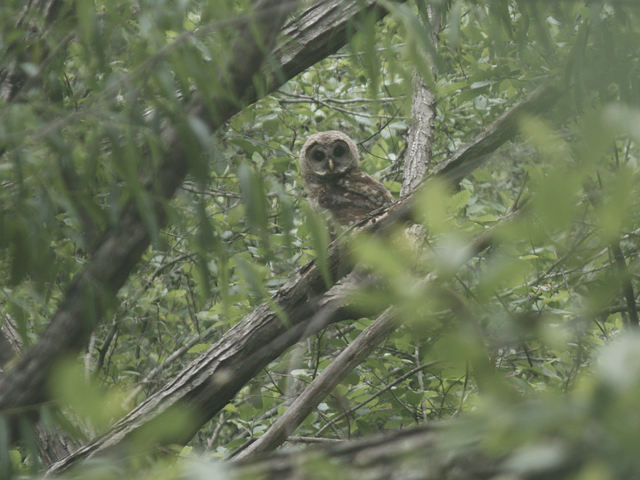
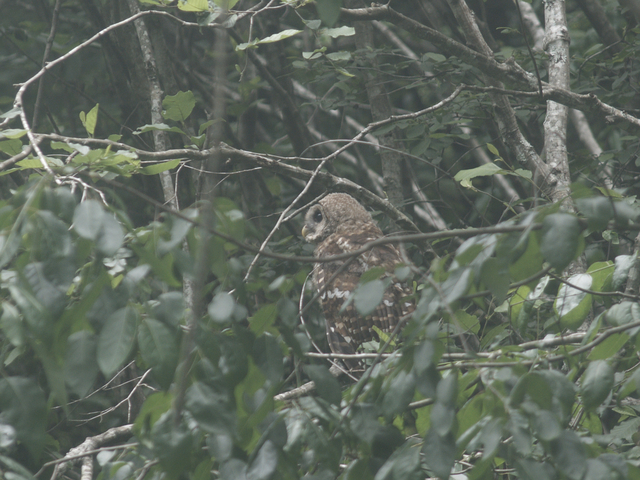
I’ve said it before, just when I think I’ve seen all the lake has to show me, nature throws something else at me. As I was paddling up one of those little crannies, I saw two large birds moving around in the trees. I first thought “hawk”, but once I got to where I could actually see one, I realized this was something new (to me).


Given that I saw two of them (Barred Owls, I believe), and this one was keeping a real close eye on me, I didn’t want to approach too close in case they had a nest nearby.

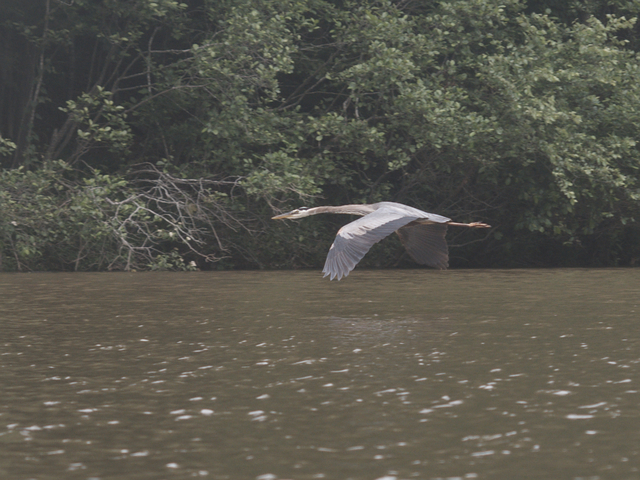
Of course, we have the obligatory Great Blue Heron picture; this one had just taken off: they generally fold their necks a few seconds after takeoff.

followed up by a nice full-stall landing. You can see how the airflow has separated across her wings.

Creature Feature 2018 #2

It was a cool-ish (for the end of April) rather overcast day, but I was Finally able to get out the lake for the first time this season.

Everything had turned green in the meantime, and a lot of stuff was still blooming:


The Ospreys are back at their nest on the intake structure (you can just see the head above the nest):

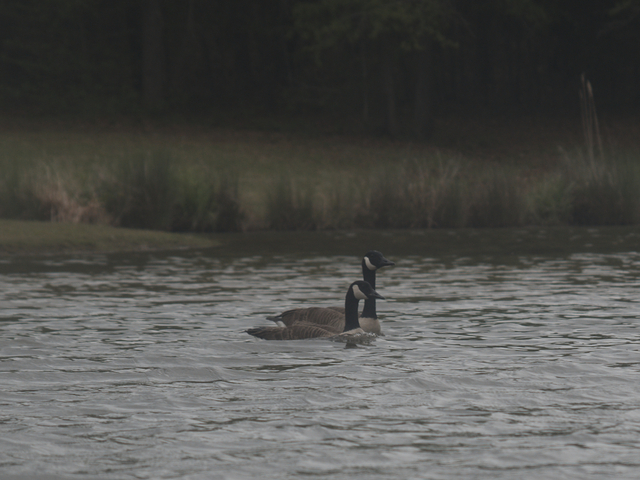
Of course, all the usual inhabitants are still out there, like these Geese (got a bit of a bow wave going there):

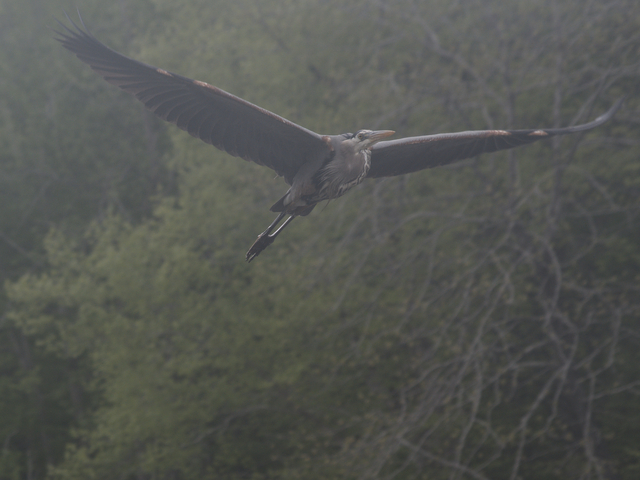
And, of course, the obligatory Great Blue Heron picture. This one is notable because she’s coming towards me which, for some mysterious reason, is rather rare:

Got a lot of pixels on that one. As usual, click on the picture to get to a full-resolution version.